The jet fuel shortage is disrupting global aviation supply chains, affecting how Jet A1 fuel is produced, transported, and delivered worldwide.
Why There is a Global Jet Fuel Shortage
If you have searched jet fuel shortage or aviation fuel supply issues, you are not alone. Search interest has increased as travellers notice rising fares and fewer routes. However, the problem is not a lack of oil. Instead, refining and distribution drive the issue globally.
Jet fuel, also known as Jet A1, depends on a tightly balanced supply chain. When one part slows down, the effects spread quickly across aviation. Recently, disruption in key shipping routes has reduced the steady flow of both crude oil and refined fuel.
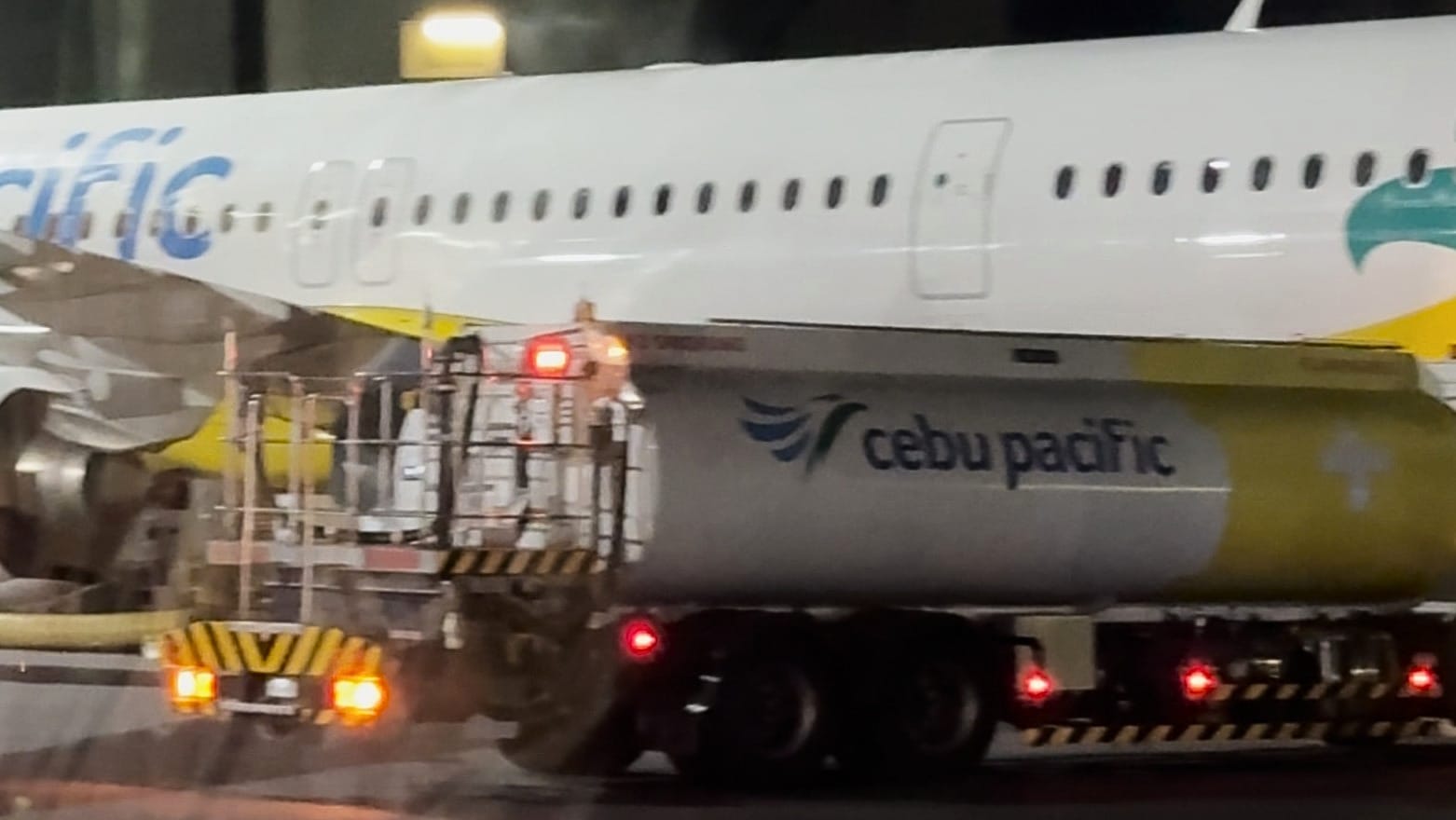
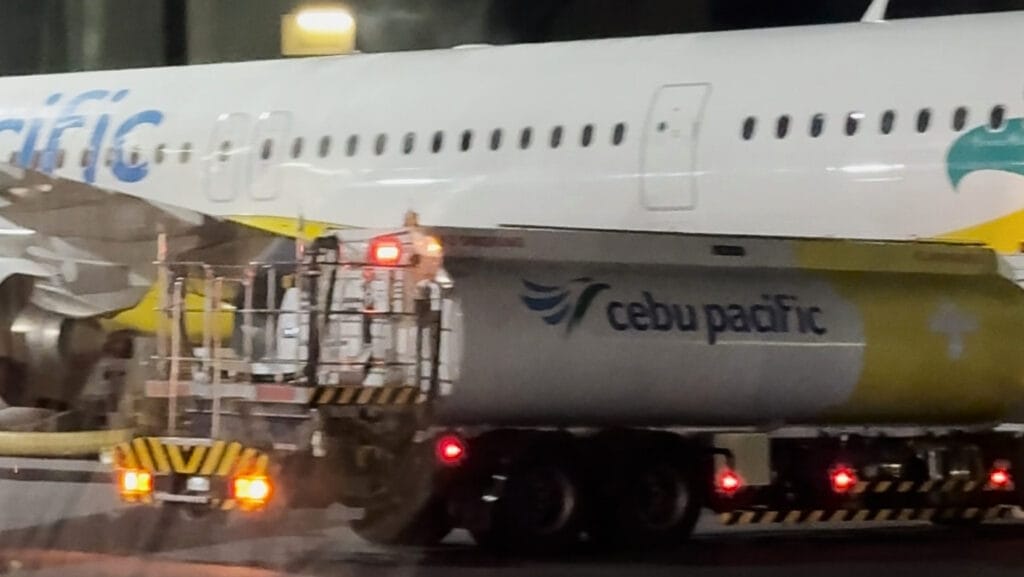
As a result, airports do not always receive consistent supply. In some cases, this is already contributing to flight cancellations and schedule disruption as jet fuel costs rise. Some airlines are already securing supply to manage this, with Cebu Pacific confirming Jet A1 fuel for domestic and international operations until the end of June 2026. This reflects a wider focus on securing short-term aviation fuel supply across the industry.
At the same time, longer shipping routes and higher transport costs are adding pressure. This has also driven sharp increases in jet fuel costs, which are feeding directly into airline operating pressure.
Although conflict in the Middle East contributes to this situation, logistics drive the main impact. The region sits at the centre of global fuel transport, so disruption affects multiple markets at once.
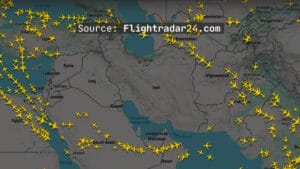
This sits alongside wider aviation disruption, including regional airspace closures and Gulf transit routes.
What is Jet Fuel (Jet A1) and How is it Made
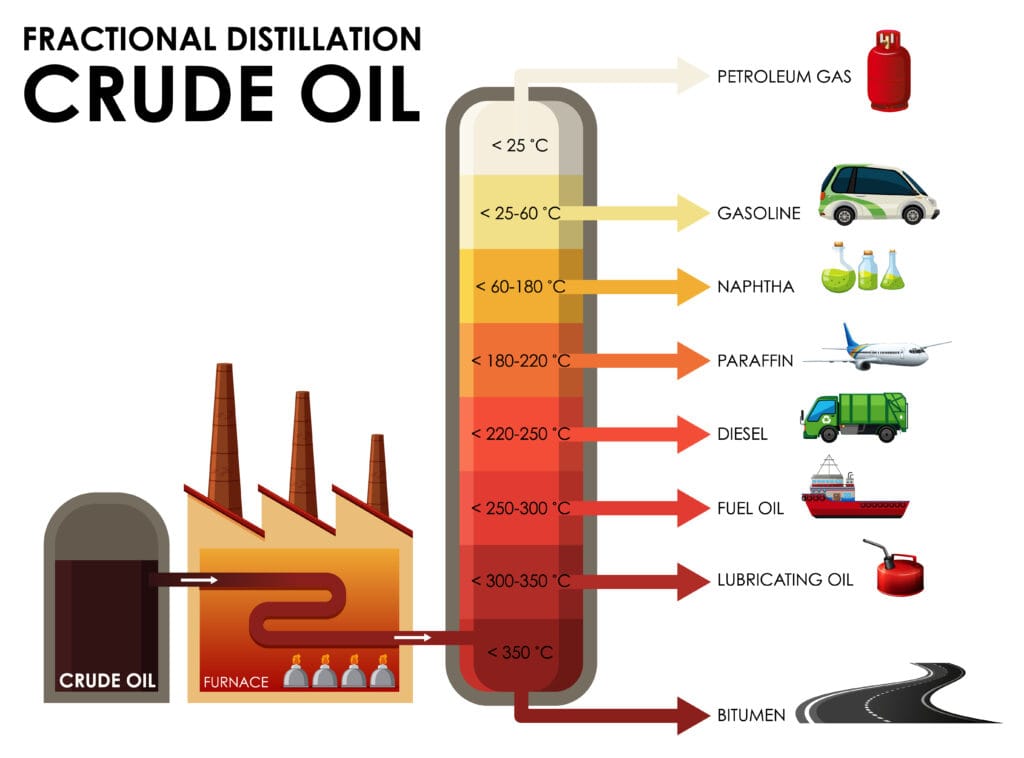
Jet fuel is a refined product derived from crude oil, similar to diesel and petrol. However, it sits in the middle of the refining process and requires precise treatment. Refineries heat crude oil and separate it into different fractions based on their boiling points. The fractions are:
- Petroleum gases: fuel for domestic heating and cooking
- Gasoline / petrol: fuel for cars and some equipment
- Naphtha: used to make chemicals and pharmaceuticals
- Kerosene: jet fuel (Jet A1) and some domestic heating oils
- Diesel: fuel for vehicles and some trains
- Lubricating oil: reduces friction in machinery
- Fuel oil: fuel for ships and power stations
- Bitumen: used for road surfacing and roofing
Refineries extract Jet A1 during this process and then refine it further to meet strict aviation standards. For example, it must remain stable at very low temperatures and high altitudes. Therefore, not all refineries can produce it efficiently.
This explains why supply is sensitive. Even if crude oil is available, it still needs the right facilities to convert it into usable aviation fuel. As a result, refining capacity becomes a key constraint.
Kerosene, shown as paraffin in refining diagrams, becomes Jet A1 and sits in a limited range in the middle of the distillation column. Refineries cannot increase jet fuel output without affecting other fractions like petrol and diesel. This explains why a jet fuel shortage can occur even when crude oil supply remains stable.
Why Aviation Fuel Shortages Are Driven by Refining and Logistics
The jet fuel shortage is not just about oil supply. Instead, refining limits and global logistics drive it. Over time, companies have concentrated refining capacity, which reduces flexibility during disruption.
In addition, many regions rely on imported jet fuel rather than producing it locally. Therefore, they depend heavily on stable shipping routes. When those routes break down, delays quickly affect supply chains.
Moreover, suppliers may prioritise certain markets when supply tightens. This reduces availability elsewhere and increases price pressure globally. Consequently, even small disruptions can have widespread effects on aviation fuel supply. In some cases, rising jet fuel costs are already contributing to flight cancellations and schedule changes.
This is why airlines are not only dealing with higher costs, but also real constraints on availability. In some cases, fuel supply issues are already contributing to flight cancellations and schedule changes, particularly on routes that depend on consistent long-haul fuel planning.
What the Jet Fuel Shortage Means for Travellers
For travellers, the impact is clear and already visible. Flight prices are rising because fuel is one of the largest airline costs. When jet fuel becomes more expensive, airlines adjust fares accordingly.
You may also see fewer flights, especially on long-haul routes. These routes depend heavily on reliable fuel supply at both departure and arrival points. When that reliability drops, airlines reduce frequency or cancel services.
Looking ahead, the jet fuel shortage is unlikely to resolve quickly. Supply chains need time to stabilise, and refining capacity cannot increase overnight. Therefore, flexibility and early booking are becoming more important for travellers in 2026.
Fleet efficiency also plays a role, with airlines such as Cebu Pacific and Philippine Airlines operating a high proportion of newer Airbus neo (new engine option) aircraft, which reduce fuel consumption compared to older airframes, as well as real-world airline operations such as my Cebu Pacific Airlines review.
This is a global pattern, not limited to one region. Airlines including IndiGo is the largest operator of Airbus A320neo jets, Wizz Air is a major operator of Airbus A321neo aircraft, China Southern Airlines, China Eastern Airlines, Delta Air Lines, Cebu Pacific, and Philippine Airlines operate large Airbus neo fleets, while Cebu Pacific is also a leading A330neo operator in Asia. These aircraft improve fuel efficiency, but airlines still depend on consistent Jet A1 supply across global networks.
Subscribe for more travel and aviation insights