This Cebu Pacific Air review is based on my passenger experience on their domestic and international routes.
TL:DR
- Cebu Pacific is the airline I have flown most within the Philippines and on nearby international routes, including Hong Kong.
- It operates the country’s largest and youngest Airbus fleet.
- Together with its extensive route network, serving both leisure and business travellers with affordable airfares.
Introduction
I have flown Cebu Pacific Air more than any other airline while travelling around the Philippines. Because of this, I have built consistent expectations. This experience gives me a reliable basis for this Cebu Pacific Air review.
Over multiple trips, I have used Cebu Pacific for domestic island hops and one international route. As a result, I understand what western travellers should realistically expect. These flights cover both short and slightly longer sectors.
Cebu Pacific is a low-cost carrier, so expectations must remain grounded. Even so, consistency, modern aircraft, and friendly service have kept me returning. That reliability matters when travelling frequently.
For booking information and the latest official route details, visit the Cebu Pacific Air website.

Cebu Pacific Air Review: Routes and Aircraft I Have Flown
Routes I Have Personally Flown
As a passenger, I have flown Cebu Pacific Air on many domestic routes across the Philippines. These include return flights between Manila and Laoag on two separate trips. I have also flown Manila to Aklan for Boracay. In addition, I have flown Manila to Palawan and Manila to Mactan Cebu. I have also taken one-way flights from Manila to Dumaguete and Bohol to Manila. Together, these routes cover a wide geographic spread.
Internationally, I have flown a return route between Manila and Hong Kong. This flight provides useful contrast against shorter domestic services. It also shows how Cebu Pacific handles international operations.
Aircraft Types and Cabin Layout
Every Cebu Pacific flight I have taken used modern Airbus aircraft. Most domestic routes operated with Airbus A320 aircraft. These planes feel relatively new and well maintained.
The Manila to Hong Kong flight used a wide-body Airbus A330neo. Despite aircraft differences, the onboard layout remains consistent. All seats are economy class across the fleet.
However, paid comfort seats with extra legroom are available. These seats are positioned near exits and bulkheads. For taller passengers, the difference is noticeable.
Cebu Pacific Fleet Size and Aircraft Mix
Cebu Pacific passing 100 aircraft matters because it supports cheaper fares through scale and resilience. Its fleet mix spans 12 Airbus A330s, 40 A320s, and 26 A321s, so capacity fits different routes. It also runs 22 ATR turboprops, including two freighters, which helps serve smaller airports and cargo demand.
Cebu Pacific Air Review: Onboard Experience and Service
Seating and Comfort
Standard economy seating is adequate for short domestic flights. However, legroom can feel tight for taller western travellers. This is typical for low-cost carriers.
Cebu Pacific offers extra legroom seats for an additional fee. These upgrades are reasonably priced by western budget airline standards. As a result, they represent good value.
Given average Filipino passenger height, the extra space feels generous. On shorter flights, standard seating remains manageable. Longer routes benefit more from the upgrade.
Cabin Crew and Inflight Service
Cebu Pacific cabin crew service has always been friendly on my flights. The aircrew consistently deliver service with a smile, professionalism and warmth. This creates a relaxed onboard atmosphere.
On many daytime flights, cabin crew also run short quizzes over the crew microphone. As a result, every passenger can join in, and the questions feel informal. The quiz usually runs in English and focuses on trivia or travel-themed topics.
Crew reward the quickest correct answers from different cabin sections. Prizes have included branded merchandise, snack packs, and occasional flight vouchers. However, I have not experienced this on very early departures. On regular daytime services, this happens frequently and breaks the monotony of short-haul flying.
The CEB Fun Café
A trolley service operates during flights which they call the CEB Fun Café. This offers paid food and drinks. Options include Filipino snacks like nachos with salsa dip, cheesy garlic brioche, tuna asado pull-apart, and pan de macaroon. Additionally cold drinks like iced black coffee, milk tea with jelly, iced hibiscus lychee with mango popping boba are also available.
In addition, hot drinks are usually available if required, but equally you should be mindful that most Filipino 3-in-1 coffee sachets contain high amounts of sugar. Therefore, Brown 3-in-1 coffee like Kopiko Brown uses brown sugar, while White 3-in-1 coffee like Nescafé Creamy White uses white sugar and therefore Kopiko Black coffee has no sugar or creamer, but you can ask for milk, unless of course you like ultra-sweet hot drinks!. and of course bottled water. Prices remain reasonable starting from P80 for the cold drinks to P120 for the snacks.
Passengers can also order in-flight hot meals like char siu chicken, beef adobo, and Pinoy spaghetti which starts at P200+. These meals are served in-flight if selected during booking. I also noticed that there are drinking water filling stations airside. So if you bring an empty bottle through security, you can fill it and take it on the plane with you, which helps with staying hydrated while travelling.
Cebu Pacific Air Review: Pricing, Value, and Booking Quirks
Ticket Prices and Booking Differences
Cebu Pacific Air offers very low fares when booked well in advance. This is especially true for Filipino passengers using the Tagalog website in the Philippines. For example, the Cebu Pacific seat sales like Every Juan promotional fares can drop as low as 99 Philippine pesos. These tickets usually include no checked luggage.
Although international travellers when booking, the website defaults to the English-language website, unless of course you can read Tagalog. Prices there are higher but remain affordable.
Even last-minute bookings have proven reasonably priced. I have booked flights the night before departure without issue such as when I flew to Hong Kong for my birthday.
Overall Value for Money
Considering aircraft age, route coverage, and service, value remains strong. Cebu Pacific consistently delivers affordable travel across the Philippines and beyond.
While pricing favours local passengers, western travellers are not excluded. Overall, the airline still undercuts many international equivalents and I find is more flexible than other Filipino carriers.
I have also reviewed other airlines recently, including a short-haul Brussels Airlines business class flight. I have flown premium cabins with other airlines, including Emirates business class on longer routes.
Cebu Pacific Air Review: Delays, Baggage, CPAP and Practical Realities
Delays and Punctuality
Cebu Pacific flights are rarely on time in my experience. As a result, delays occur frequently, although causes are not always clear. Possible reasons include aircraft rotation, crew logistics, and weather, as the Philippines experiences varied island climates year-round.
The wet season runs roughly from May to February. In contrast, March and April are typically hotter and drier. Despite these factors, I have never had a bad flight with Cebu Pacific, and the overall experience remains positive.
When delays occur, ground staff often distribute free snacks and bottled water. This gesture noticeably improves passenger morale. If you have a delay and a massive snack trolley full of Jack n Jill Piattos crisps appear, try them!. The cheese, roast beef, sour cream and onion or nacho pizza flavours are a bit more-ish!
Flying Cebu Pacific With a CPAP Machine
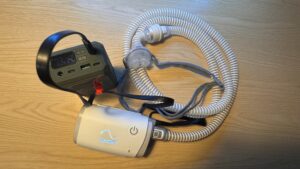
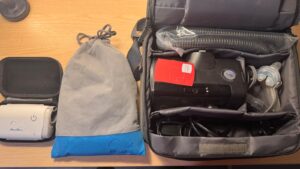
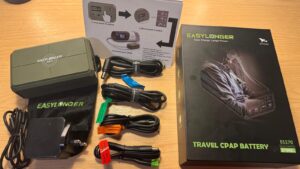
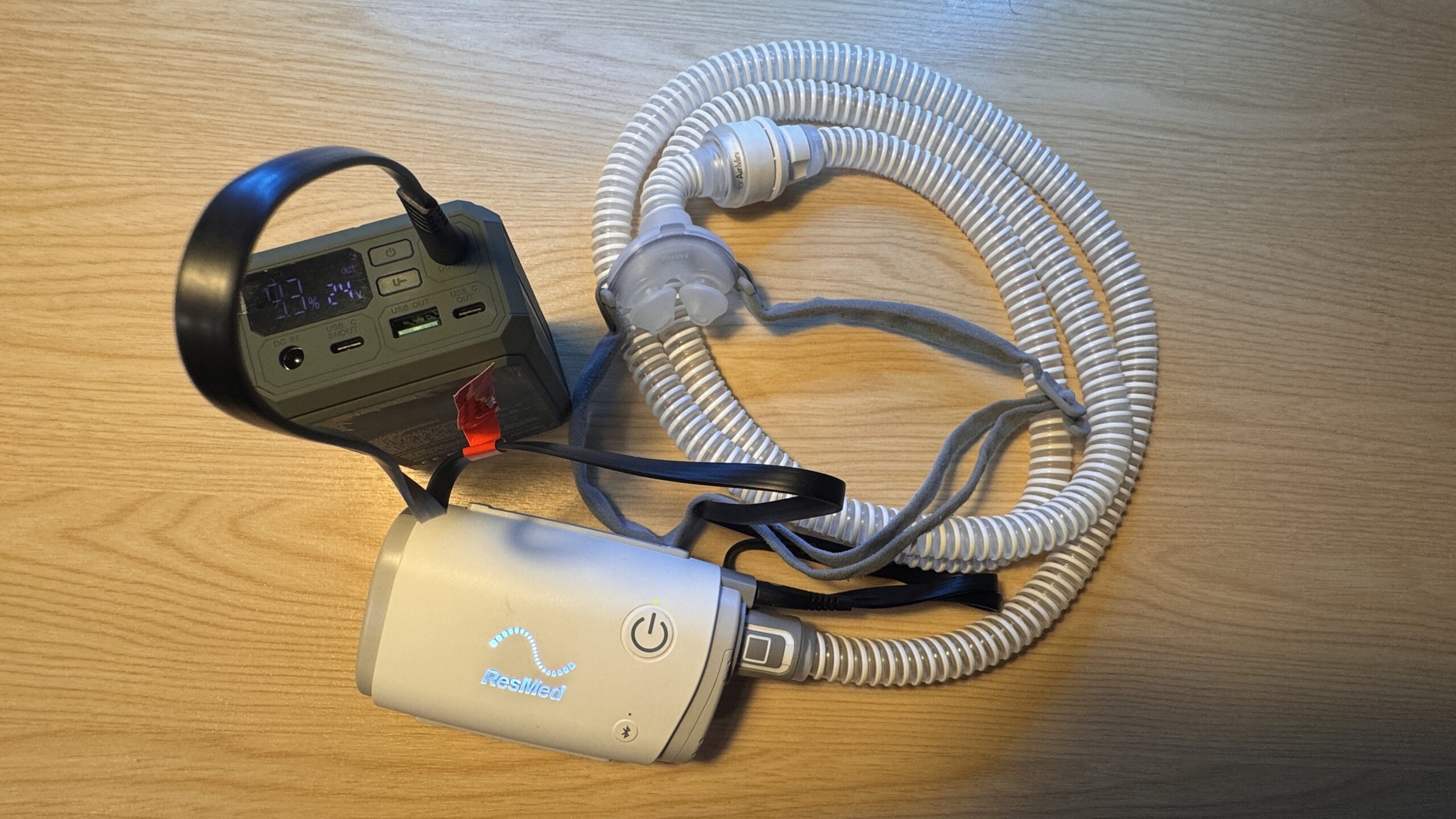
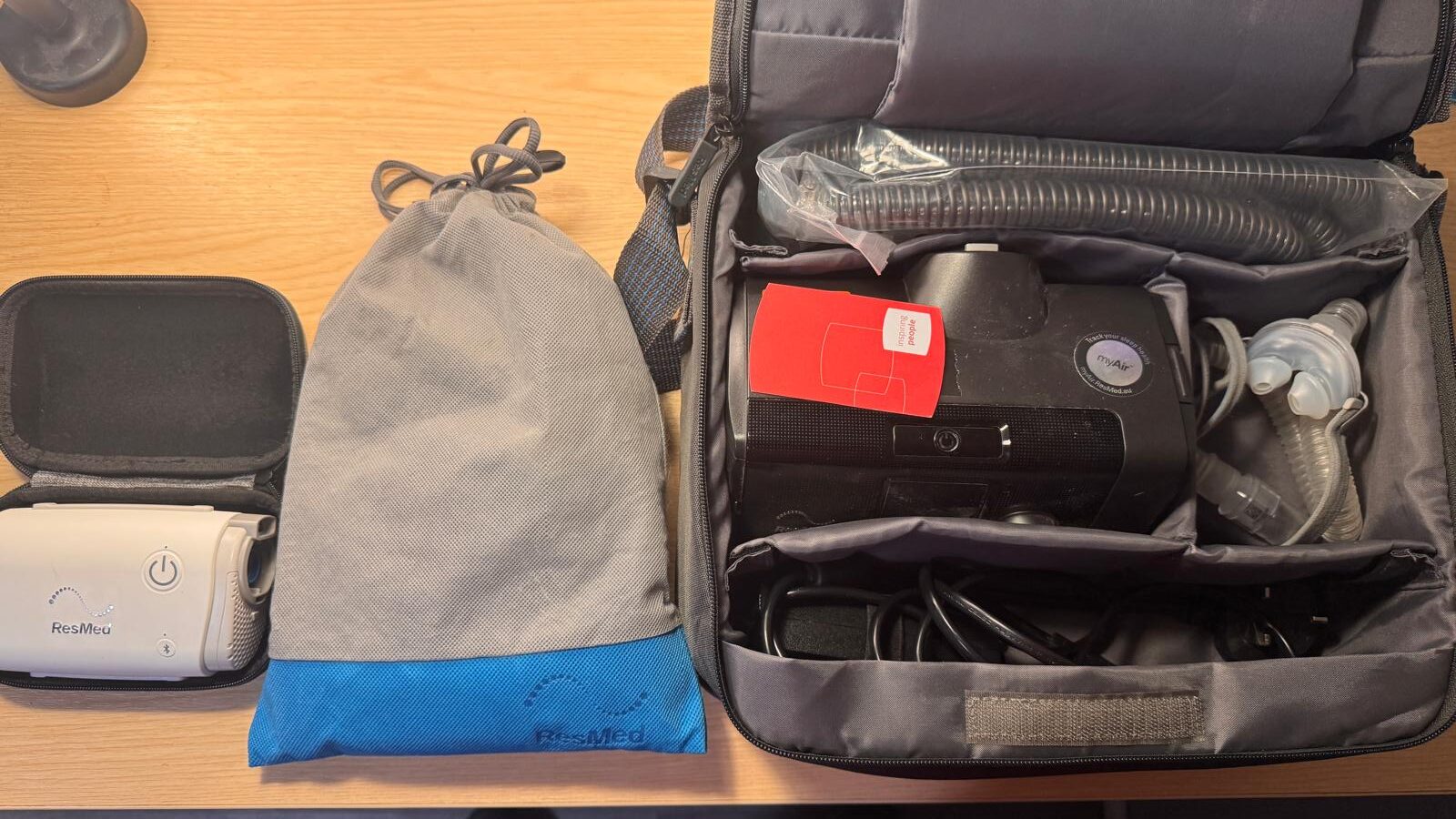
Cebu Pacific lists a CPAP machine as “Hand carry or checked baggage”, although it limits lithium-ion batteries to 100 Wh. If you fly with one, my CPAP airline policy post quotes exactly what the airline publishes.
Cabin Bags and Checked Luggage
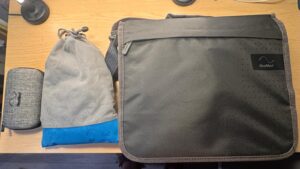
I have flown Cebu Pacific several times using only hand luggage. My main travel bag is a soft 40-litre adventure backpack. In addition, I have also carried a second bag for camera equipment. Only once was I questioned about carrying two bags. After explaining the medical device and my laptop in my main bag. Whilst the second had electronics and batteries in the other, staff allowed both onboard. As a result, the interaction remained polite and practical. This approach has been consistent across my flights. That said on my last trip I also had a checked luggage wheelie case.
The same cannot be said for people who bring small hard suitcases with wheels as carry-on luggage. While these bags are allowed and do comply with Philippine carry-on rules, busy flights change the outcome. If a flight is particularly full, it is virtually guaranteed that Cebu Pacific gate crew will ask many of those passengers to step forward and volunteer their bags for the hold.
Thinking back over my past few trips, a substantial number of Filipinos jolt forward immediately, keen on the free checked bag. Perhaps that is because they love a good deal. It feels like a clever strategy: do not pay for the bag, just volunteer it for free carriage. Think smarter not harder!.
Cebu Pacific Air review, Final Thoughts
This Cebu Pacific Air review reflects consistent experiences across many flights. While delays are common, they rarely undermine the journey.
A modern young fleet of Airbus aircraft, smiling crew, and affordable fares for island hopping and beyond define the airline. Those factors keep me returning as a passenger.
For western travellers, Cebu Pacific remains a practical choice. Accept the realities, and the airline delivers reliable value.
I have used Cebu Pacific extensively while travelling around the Philippines, including trips to places like Vigan City in Ilocos Sur and the UNESCO Paoay Church in Ilocos Norte, both via Laoag Airport. However, I also used the airline to get to Bohol to visit places like The Chocolate Hills and the Bohol Tarsier Conservation Area.
Cebu Pacific Air Review: 30th Anniversary Brand Film
This short Cebu Pacific brand film ‘Where Dreams Fly – Si Cebie at Ako’ was released for the airline’s 30th anniversary and follows a young Filipino girl who dreams of becoming a flight attendant. It shows the setbacks that come with that ambition and reflects a familiar reality in the Philippines, where persistence often matters as much as opportunity.
The film also mirrors the airline’s own journey of navigating challenges while continuing to connect people with family, work, and new beginnings. Although it is brief, I found it genuinely moving. It adds cultural context rather than selling a product, which is why it fits here. The film is in Tagalog/Taglish with English subtitles.
This type of airline brand storytelling sits within a wider enterprise travel marketing framework, which I cover in more detail in my enterprise travel marketing strategy for airlines. The video is a good example of how airlines now use digital media as part of broader brand and distribution strategies.